
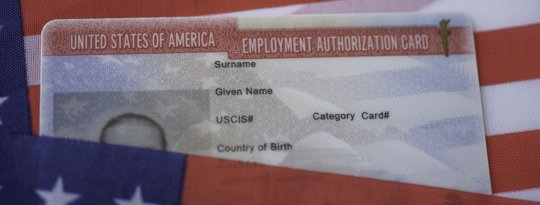
On December 4, 2025, USCIS announced a significant update to its Policy Manual: the maximum validity period for certain Employment Authorization Documents (EADs) (the "work permits" many immigrants rely on) will be significantly reduced.
What’s Changing
- For several immigration categories, including individuals admitted as refugees, those granted asylum, individuals with withholding of removal, and those with pending applications for asylum or adjustment of status, the validity period for both initial and renewal EADs will revert from 5 years down to 18 months.
- For other groups, such as people paroled as refugees, individuals under Temporary Protected Status (TPS), parolees, and certain parole-based entrepreneur spouses, EADs will now be valid for no more than one year, or until the end date of their authorized parole/TPS period, whichever is shorter.
- These changes apply to EAD applications that are pending or filed on or after December 5, 2025.
Why USCIS Says It’s Doing This
USCIS explains that reducing EAD validity periods will allow for more frequent screening and vetting of non-citizen workers. The agency argues this enhanced scrutiny is necessary to detect and deter fraud, identify individuals who may pose risks to public safety or national security, and ensure that only those who meet stringent integrity standards maintain employment authorization.
In the updated guidance, USCIS Director Joseph Edlow reiterated that work authorization in the U.S. is a privilege, not a guarantee, and must be subject to ongoing oversight.
This move also builds on earlier 2025 changes including termination of automatic EAD extensions for many categories, suggesting a broader shift toward stricter immigration enforcement and more frequent background checks.
What This Means for Individuals and Employers
For many immigrants, the shorter EAD validity periods will mean renewals every 18 months (or even annually for some) instead of every five years. This could increase the frequency of paperwork and renewals, and potentially create more opportunities for processing delays or gaps in work authorization.
Employers may also feel the effects, particularly those who have long relied on immigrant labor in industries that depend heavily on EAD-holders. Because of more frequent renewals, the total number of EAD renewal applications being filed with USCIS is likely to surge, which could stretch USCIS resources and lead to longer processing times.
For applicants and their attorneys, this change underscores the importance of carefully tracking EAD expiration dates, timely filing for renewals, and ensuring that all background and eligibility documentation is prepared for more frequent review.
What Clients of Law Offices of Daniel A. Lorber, PC Should Know
As we digest these changes on behalf of our clients, here are important takeaways:
- If your EAD is based on refugee/asylee status, pending asylum or adjustment-of-status, or related humanitarian grounds, be prepared for a much shorter validity period and plan renewals accordingly.
- For immigrants under TPS, parole, or similar categories, expect annual reviews and renewals rather than multi-year authorizations.
- There will be an increased administrative burden and potential delays; timely filing becomes more critical than ever.
- Monitor processing times closely, especially if your employment or status depends on continuous work authorization.
At the Law Offices of Daniel A. Lorber, PC, we are available to walk you through this new landscape. We will help ensure your applications are filed properly and on time, minimizing risk of disruption in employment authorization. Call us at (469) 405-2966 today to schedule your consultation.